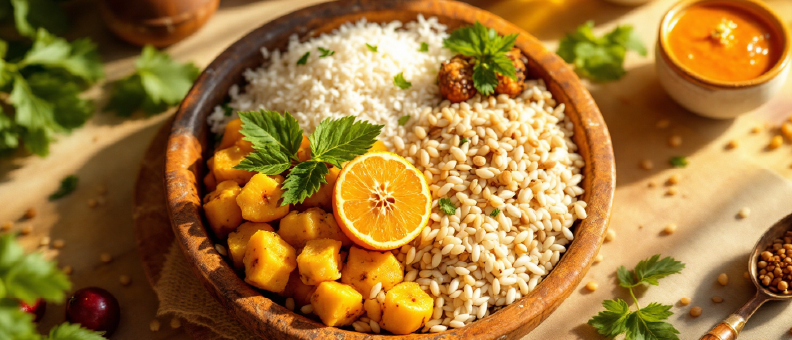
For many years, India’s consumption story focused on material aspirations such as better homes, better technology, and travel. While these priorities remain, consumer spending is also shifting toward overall well-being. The focus is not just on what people own, but also on how they live. Health, nutrition, and wellness are becoming important influences on consumer choices. This change indicates that food is being valued not only for taste but also for its perceived role in supporting healthier living.
Source: PwC Voice of the Consumer 2025; Kantar Health & Wellness in India 2025.
Table Of Content
- India’s lifestyle wake-up call
- From calories to quality
- Fitness culture and functional eating
- Plant-based and conscious-eating
- How brands are adapting
- Policy tailwinds strengthening the trend
- Where the trend is heading
India’s lifestyle wake-up call
Rising incomes and urban lifestyles have contributed to reduced physical activity and unbalanced diets. Public health concerns are becoming more visible, with large sections of the population living with conditions such as diabetes and hypertension, according to various health surveys in India. (Source: WHO Physical Activity Factsheet 2024; NFHS-5/analysis 2025).
Institutions such as the Indian Council of Medical Research (ICMR) and the National Institute of Nutrition (NIN) continue to highlight the role of excess refined carbohydrates, unhealthy fats, and high sodium intake in chronic diseases. This messaging is influencing how food is marketed and selected, with greater attention on nutrient balance and overall wellbeing.
As awareness increases, individuals may paying more attention to what they eat on a daily basis. Reading nutrition labels, moderating salt and sugar intake, and tracking activity levels may become routine, particularly in urban areas.
Read Also: What Makes a Trend a Megatrend? Key Traits & Examples
From calories to quality
Price once dominated household grocery decisions. Today, many consumers are evaluating ingredients and processing methods. Questions about sugar content, fortification, or how food is processed are becoming more common.
Three notable shifts are emerging:
- Cleaner packaged foods: Labels increasingly give prominence to reduced preservatives, lower fat content, or less processing.
- Premium basics: The growing interest in products such as low-fat dairy, multigrain flours, and millets reflects a mix of affordability and nutritional awareness. The International Year of Millets in 2023, supported by India, has strengthened attention on these traditional grains.
- Reformulation for balance: The Food Safety and Standards Authority of India (FSSAI) continues to encourage clearer nutrition labelling and reductions in sugar, salt, and trans fats.
For businesses and investors, this illustrates a gradual evolution in consumption patterns, where even staple food categories are seeing more diversified product offerings.
Source: Deloitte Future of Food 2024; FSSAI Eat Right India Insights 2023–24; Mintel India Food Trends 2024.
Fitness culture and functional eating
Health-conscious behaviour is increasingly supported by technology. A large number of individuals use apps and devices to monitor steps, workouts, and nutrition.
As health tracking becomes more convenient, people are also exploring foods that are marketed as supporting their active routines. Products featuring protein, probiotics, and vitamins are more visible in stores and online platforms.
This reflects a closer link between what people eat and how they maintain fitness. The distinction between nutrition and physical activity markets is narrowing as they influence each other more directly.
Sources: IDC India Wearables Tracker 2024; NielsenIQ FMCG Report 2023–24; Euromonitor Health & Wellness Foods in India 2024; Deloitte Future of Food India 2024.
Plant-based and conscious-eating
Plant-forward eating in India includes both new behavioural shifts and renewed interest in traditional diets.
Some consumers are motivated by environmental concerns and exploring alternatives such as almond milk, tofu, or plant-based spreads. Others are choosing familiar ingredients like millets, pulses, fermented foods, seeds, and seasonal vegetables, with more attention to portion control and cooking methods. These approaches resonate with national nutrition priorities that encourage dietary diversity and locally sourced foods.
Sources: IMARC India Plant-based Foods Market Report 2024; Euromonitor Meat Substitutes in India 2024; FAO–Government of India International Year of Millets; NITI Aayog National Nutrition Mission Strategy 2023.
Read Also: Beginner’s Guide to Megatrends & Investing Basics
How brands are adapting
Businesses are responding through product innovation and communication:
- Reformulation: Companies are modifying ingredients in line with evolving guidelines on nutrients like trans fats.
- Premium wellness sub-brands: Established FMCG brands are creating segments that focus on balanced nutrition.
- Transparent storytelling: More brands now provide detailed ingredient information and clearer packaging communication.
- Local sourcing: Single-origin honey, cold-pressed oils, and similar products are appealing to consumers seeking authenticity.
The organic and natural foods category is expanding through modern retail channels and online marketplaces, with industry analysts indicating continued growing interest in the segment.
Sources: FSSAI Trans Fat Regulations 2022–24; NielsenIQ India Health & Wellness Study 2024; Deloitte Future of Food India 2024; IMARC Organic Food Market India 2024; FICCI Food Processing Survey 2023.
Policy tailwinds strengthening the trend
Initiatives such as POSHAN Abhiyaan work to improve nutritional outcomes through fortified foods and behavioural awareness. Alongside this, regulations related to food labelling, trans-fat limits, and product quality standards contribute to shaping healthier consumer environments. India’s push for self-reliance across sectors like food processing and millets is also encouraging innovation and supply-chain resilience.
Read Also: Trend vs Megatrend Investing: Key Differences
Where the trend is heading
The movement toward healthier food choices appears supported by a combination of drivers:
- Rising health awareness and early recognition of metabolic risk.
- Product innovation in reformulation and premiumisation.
- Integration of fitness and nutrition habits.
- Policy focus on public health and nutrition.
While the adoption rate varies across regions and income groups, the direction of change is becoming more noticeable. Wellness-related spending is emerging as an important dimension of consumption. In earlier decades, aspiration often centred on material ownership and convenience. Today, vitality, the desire to remain active and maintain wellbeing over time, is gaining importance. As a result, nutrition plays a more prominent role in consumption decisions than before.
Note: References to any industry/sector are provided for illustrative purposes only. This should not be construed as a research report or a recommendation to buy or sell any security or sector. At Bajaj Finserv Asset Management Ltd, we aim to harness the power of megatrends by offering investors access to themes shaping the world’s future — from clean energy to technology, innovation, demographic shifts and more. Many of our funds follow a megatrends investment approach to help you participate in these long-term shifts, with a focus on growth potential and diversification. Build your future-focussed portfolio with Bajaj Finserv AMC.